
QUEIJO777.COM platform-Oficial Slots Brasil #1 | Exploring the World of Fishing: Tradition, Techniques, and Technology
Exploring the World of Fishing: Tradition, Techniques, and Technology
Fishing is an activity that has been an integral part of human civilization for thousands of years. It is not only a means of obtaining food but also a recreational activity, a cultural tradition, and even a competitive sport in various parts of the world. This article delves into the multifaceted world of fishing, exploring its rich history, diverse techniques, and the influence of modern technology.
The Historical Significance of Fishing
Fishing dates back to ancient times, with evidence suggesting that humans have been engaging in fishing activities for at least 40,000 years. Early fishing methods involved simple tools like spears, nets, and lines made from natural fibers. Fish were a crucial part of the diet for many ancient civilizations, including the Egyptians, Greeks, and Romans, who developed various methods to increase their catch.
Traditional Fishing Techniques
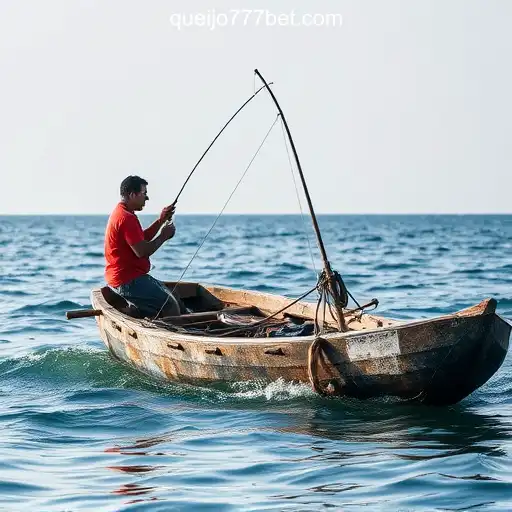
Many traditional fishing techniques continue to be in use today, often handed down through generations. Methods such as handline fishing, spearfishing, and netting are still prevalent, particularly in communities where fishing remains a primary source of livelihood. Each technique has unique characteristics and varies based on the type of fish targeted and the environment.
Handline FishingHandline fishing is one of the simplest and oldest forms of fishing. It involves using a single fishing line and a hook and can be practiced both in freshwater and saltwater. The simplicity of the method makes it accessible to anyone, and it is often used by small-scale fishermen and hobbyists.
SpearfishingSpearfishing is an ancient method that requires skill and precision. It involves using a spear or a similar tool to catch fish directly in their natural aquatic environment. This technique is popular in shallow waters where visibility is good, and it is considered both a sport and a sustainable fishing practice.
The Rise of Recreational Fishing
In recent years, fishing has evolved beyond a necessity into a popular recreational activity. Recreational fishing encompasses a wide range of fishing practices, from catch-and-release angling to competitive fishing events. It provides enthusiasts with a way to connect with nature, enjoy solitude or camaraderie, and engage in a sport that combines skill and patience.
AnglingAngling is perhaps the most common form of recreational fishing. It involves catching fish with a rod, line, and hook, often with artificial lures or bait. Anglers enjoy the challenge of enticing a fish to bite, and it is a popular activity in lakes, rivers, and coastal regions.
Competitive FishingCompetitive fishing, or sport fishing, has gained traction, with tournaments held worldwide. These events showcase the prowess of skilled anglers as they compete for the biggest catch or the highest number of catches within a given timeframe. Competitive fishing brings together communities and fosters a sense of camaraderie among participants.
Modern Tools and Technology in Fishing
Technological advancements have significantly impacted fishing, introducing new tools and methods that enhance both commercial and recreational fishing experiences. Innovations such as fish finders, GPS systems, and advanced fishing gear have transformed how fishermen approach their craft.
Fish FindersFish finders use sonar technology to detect underwater objects and movements. These devices help fishermen locate fish schools by displaying data about the depth and composition of the water, thus increasing efficiency and success rates.
GPS and Mapping SoftwareGlobal Positioning System (GPS) technology has revolutionized navigation in fishing. GPS allows fishermen to accurately locate fishing spots, track weather conditions, and plot routes. Coupled with mapping software, GPS technology has made it easier to explore new fishing locations.
The Impact of Fishing on the Environment
While fishing provides food and recreation, it also poses ecological challenges. Overfishing and habitat destruction are major concerns that threaten aquatic ecosystems. Sustainable fishing practices and conservation efforts are crucial to preserving fish populations and the environments they inhabit.
OverfishingOverfishing occurs when fish are caught faster than they can reproduce, leading to declining populations. Policies and regulations, such as catch limits and seasonal closures, aim to mitigate this issue and ensure sustainable fishing for future generations.
Conservation InitiativesMany organizations and communities are working towards fish conservation through measures like habitat restoration, artificial reefs, and the promotion of sustainable fishing practices. These efforts help maintain ecological balance and support biodiversity.
The Role of Online Platforms in Fishing
With the advent of digital platforms, fishing enthusiasts have access to a wealth of resources and communities. Online forums, educational content, and e-commerce platforms offer insights, camaraderie, and the latest fishing gear. For instance, the QUEIJO777.COM platform-Oficial Slots Brasil #1 brings together anglers with shared interests, offering a space for discussion and exchange of knowledge.
As fishing continues to evolve, it remains a vital part of human culture and a beloved pastime. Whether through traditional methods or modern innovations, fishing is an activity that bridges the gap between nature and technology, providing joy and sustenance to millions worldwide.
Mapa do Site Google